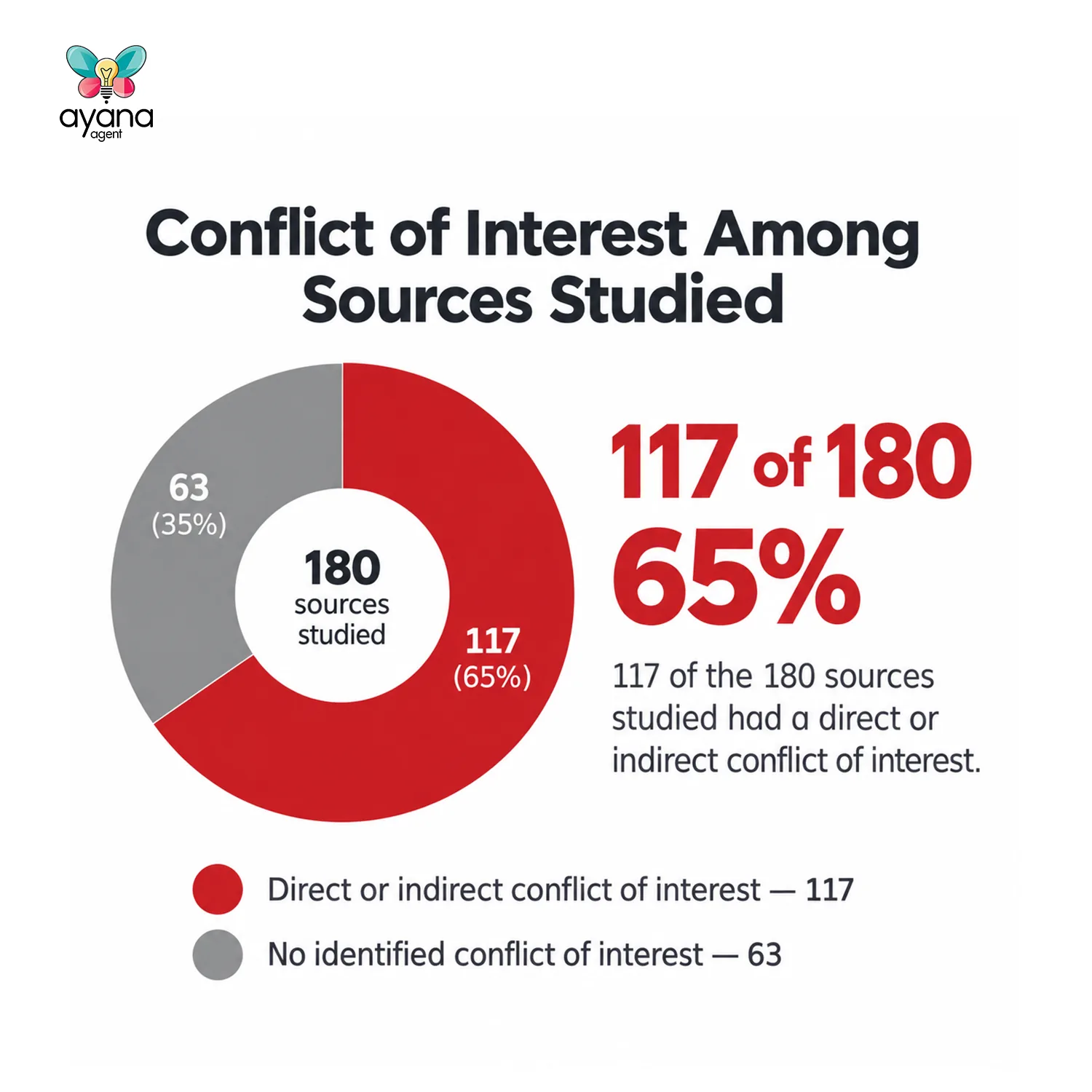
In September 2025, researchers writing in BMJ Open looked at the advice women in the UK actually see when they search for hormone therapy. They took the top 30 results from each of six platforms (Facebook, Google, Instagram, TikTok, YouTube and X), 180 sources in all, and asked three questions: who's speaking, what are they claiming, and do they stand to gain?
In 117 of the 180, there was a conflict of interest.
The detail most write-ups skip is who those voices were. Just over half were professionals, not influencers: doctors, pharmacists, clinic owners. So the most visible menopause information is mostly credentialed, and mostly commercial.
What were they getting wrong?
Hormone therapy (HRT) works for what it's licensed for in UK guidance: hot flushes, night sweats, vaginal dryness and low mood linked to menopause. None of that is in doubt, and for years plenty of women were wrongly denied it.
The study was looking at something narrower. It checked for claims that go beyond those uses, especially the idea that HRT should be taken to prevent illness later in life. UK guidance doesn't support that, and a lot of the visible content said it anyway.
Two mistakes at the same time
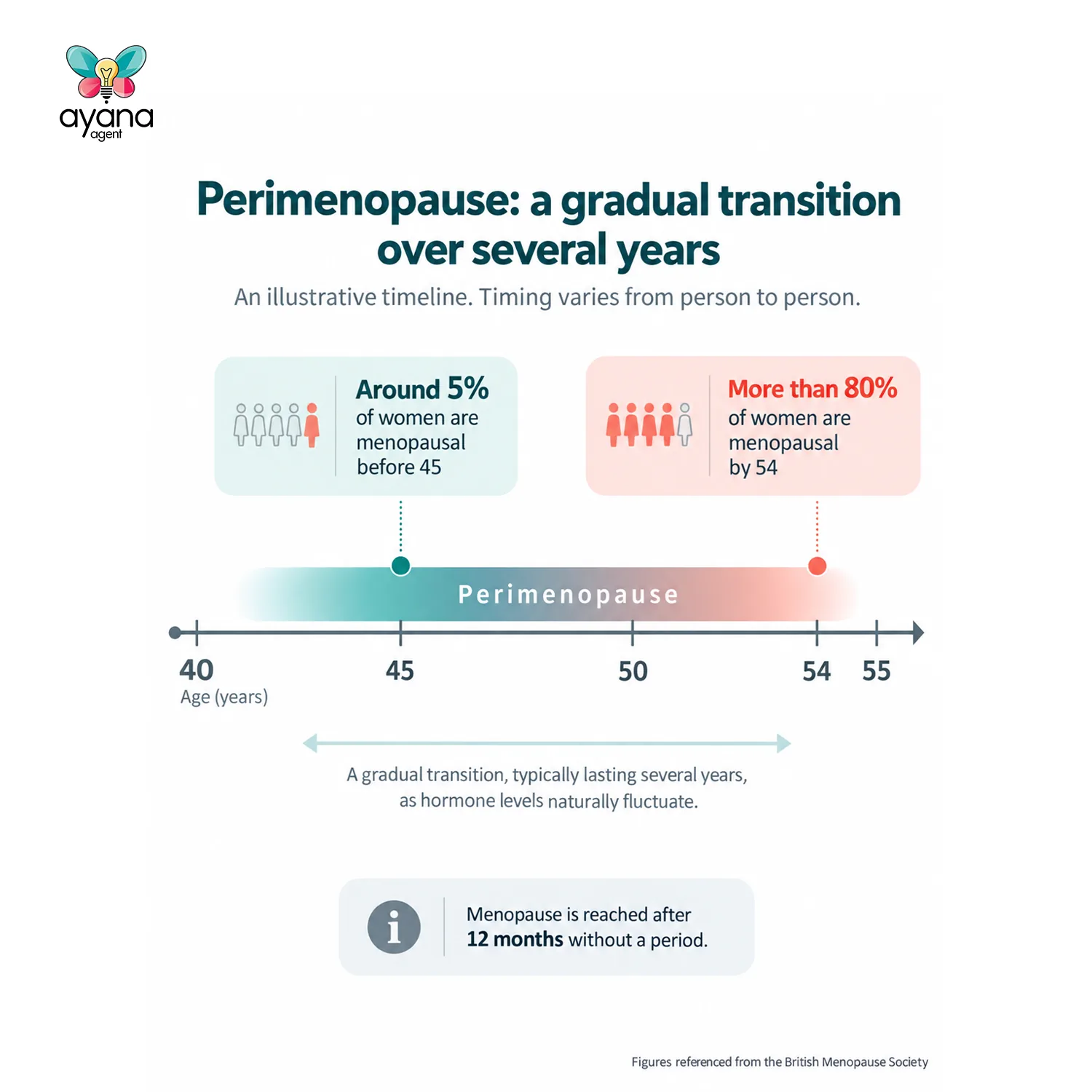
Clinicians have described women in their thirties asking for HRT when what they actually needed was contraception, and women over 35 surprised by a pregnancy because they believed they were menopausal. Only around 5% of women reach menopause before 45, so blaming every midlife symptom on perimenopause means other problems get missed.
The opposite mistake is older and still common: symptoms brushed off as normal for years. Both happen at once. A woman can be dismissed by her doctor and oversold online in the same month.
Why this matters if you market in the category
When most claims come from someone with something to sell, people stop weighing claims one by one. They discount all of them. The accurate brand and the exaggerating brand get the same shrug.
What still gets through is anything said against your own interest. "This probably won't help with that." "Ask your doctor about other causes first." Nobody says those things to close a sale, which is exactly why people believe them.
So here's a simple test. Could your brand tell a 34-year-old, in a public thread, that her symptoms might not be perimenopause? Most would say yes in principle. Far fewer have given anyone the authority to actually do it when there's a target to hit.
A few habits help:
- Know the licensed uses and check your own claims against them.
- Never position HRT or a supplement as prevention of future illness.
- Say "we don't know yet" when the evidence isn't there.
- Disclose your interest every time.
- Give someone the authority to lose the sale.
We build the Ayana Agent, which drafts replies for brands in communities like these. Every draft goes to a person on the brand's team before anything is posted, because deciding that the honest answer is the one that doesn't sell isn't a call to hand to software.
Sources: BMJ Open 2025;15(9):e094773 (4 September 2025); NICE guideline NG23 (updated April 2026); British Menopause Society; clinician commentary reported by FemtechWorld and STAT, May 2026.
Frequently asked questions
See whether your category is one we can help with.
A fit call is a short, direct conversation about your communities, your compliance constraints, and whether a human-approved agent is the right instrument for the channel.
This article isn't medical advice. Decisions about HRT belong with a clinician.